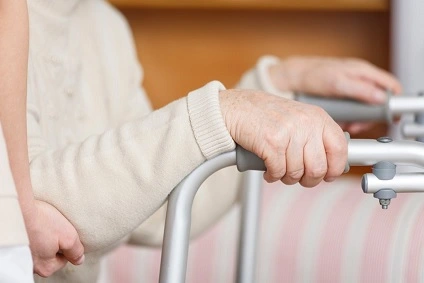
Arthritis causes pain, swelling and stiffness in one or more joints
There are many different types of arthritis, so it's best not to self-diagnose
Osteoarthritis and rheumatoid arthritis are among the most common types
Symptoms can suddenly worsen for several days at a time — known as a flare-up
Any joint can be affected, though wrists, hands, feet, knees, hips and the back are common
What is Arthritis?
Arthritis is a condition causing pain, swelling and stiffness in one or more joints, which can make moving the affected joint difficult. There are many different types, so it's best not to self-diagnose — see a GP if you're worried.
Common Types
Osteoarthritis is the most common type, often affecting weight-bearing joints such as the knees and feet, and usually starting in the late 40s. Gout often affects the big toe joint, causing it to become painful, swollen and hot, and becomes more likely with age. Rheumatoid arthritis is usually first felt in the small joints of the hands and feet, and is often diagnosed between ages 40 and 60. Ankylosing spondylitis often causes lower back pain and stiffness lasting longer than ordinary backache, and usually begins under 40. Psoriatic arthritis causes joint pain, swelling and stiffness alongside a red, scaly rash called psoriasis. Juvenile idiopathic arthritis (JIA) affects children under 16, and has several forms, some milder than others.
Symptoms
Arthritis can affect any joint, but wrists, hands, fingers, ankles, feet, toes, the back and spine, and knees and hips are commonly affected. Symptoms can sometimes suddenly worsen for several days at a time — known as a flare-up.
Page last reviewed: 6 March 2024 · Next review due: 6 March 2027
Arthritis · Getting Help
When to Get Help, and Tests
? 5 min readReviewed: March 2024
?? Ask for an urgent GP appointment or call 111 if:
You have severe pain and swelling in just one joint that started suddenly; your pain doesn't improve with painkillers like paracetamol; the skin around your joint is red or hot (harder to see on brown or black skin); you have sore joints alongside a high or low temperature, or feel hot, cold or shivery; you have sore joints and conjunctivitis, sore eyes, or vision problems; or you have sore joints and pain when peeing, discharge, or a rash or sores on your genitals.
Seeing a GP
See a GP if you have unexplained joint pain, swelling or stiffness that doesn't go away within a few days. In many areas, you may be able to access help such as physiotherapy directly through NHS community musculoskeletal (MSK) services without needing a GP referral first.
Tests for Arthritis
A healthcare professional will ask about your symptoms and medical history, and examine your joints. You may be referred to a specialist called a rheumatologist if rheumatoid arthritis or gout is suspected. Tests might include blood tests, an X-ray or ultrasound scan, or a small fluid sample taken from a joint using a fine needle, which can help confirm gout.
Page last reviewed: 6 March 2024 · Next review due: 6 March 2027
Arthritis · Treatment
Treatment and Self-Care
? 4 min readReviewed: March 2024
Treatment Options
There's currently no cure for arthritis, but treatments can help manage symptoms — the right approach depends on the type of arthritis and how it's affecting you, with a healthcare team supporting you throughout. Options include physiotherapy to improve strength and mobility, occupational therapy to help with everyday tasks like washing, dressing and cooking, medicines to ease pain, swelling and inflammation or calm an overactive immune system, equipment such as walking aids or mobility scooters, complementary therapies like acupuncture or TENS, and surgery for severe symptoms that haven't responded to other treatment. Speak to your doctor with any questions or new symptoms as your treatment continues.
Helping Yourself
Regular low-impact exercise — such as swimming, walking, pilates or yoga — alongside a healthy, balanced diet and maintaining a healthy weight can all help ease symptoms, since carrying extra weight puts additional strain on joints. It's best to avoid smoking, since it can worsen symptoms, and to keep alcohol within recommended limits.
Page last reviewed: 6 March 2024 · Next review due: 6 March 2027