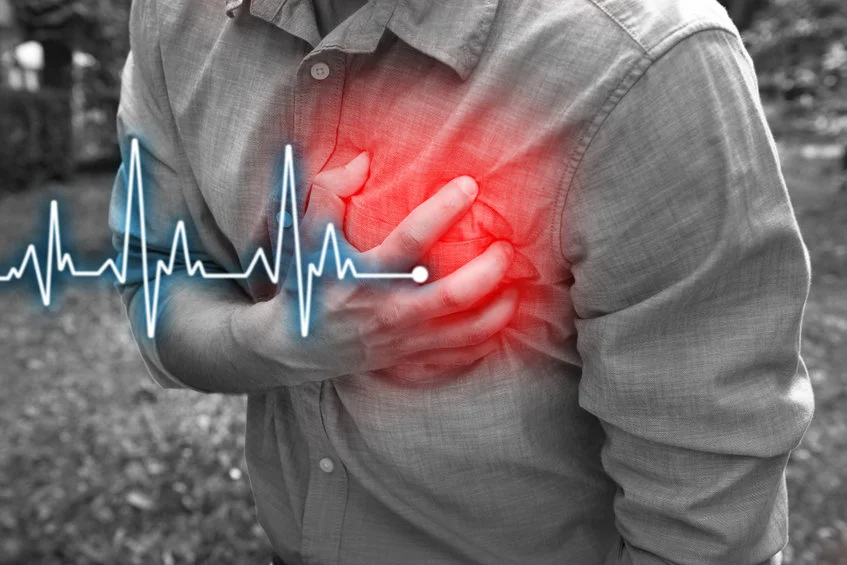
Cardiovascular disease (CVD) covers a group of conditions affecting the heart and blood vessels
It can often be prevented through a healthy lifestyle or medicine
Some types have no symptoms until a serious event, like a heart attack or stroke, happens
Main types include coronary heart disease, peripheral arterial disease, aortic disease, and stroke
It remains one of the leading causes of death in the UK
About Cardiovascular Disease
Cardiovascular disease (CVD) is a general term for a group of conditions affecting the heart and blood vessels. It's very common, and one of the leading causes of death in the UK, though it can often be prevented through a healthy lifestyle, or managed with medicine where needed.
Symptoms vary depending on the specific condition, and some types cause no noticeable symptoms at all — for some people, the first sign of CVD is chest pain (angina), a heart attack, or a stroke. It's important not to try to diagnose yourself, and to see a GP if you have any concerns.
Main Types of CVD
Coronary heart disease happens when the arteries become blocked by a build-up of fat, restricting blood flow to and from the heart. Peripheral arterial disease is caused by a similar build-up of fat in the arteries, but reduces blood flow to the legs and feet instead. Aortic disease covers a group of conditions affecting the aorta, the body's largest blood vessel, which can lead to a dangerous swelling called an abdominal aortic aneurysm. A stroke happens when blood flow to part of the brain suddenly stops due to a blockage, which can affect abilities such as speech and movement.
Page last reviewed: 6 March 2024 · Next review due: 6 March 2027
CVD · Risk Factors
Who's at Risk of CVD
? 4 min readReviewed: March 2024
What Increases Risk
CVD is usually caused by a build-up of fat in the arteries, which makes it harder for blood to flow freely and can lead to a blood clot forming. Various factors can raise the risk of developing CVD, including lifestyle factors such as smoking, drinking too much alcohol, being overweight, and not staying active. Age plays a role too, since CVD mainly affects people over 50, and men are generally more likely to develop it than women.
Ethnicity can also be a factor, with a higher likelihood among people from South Asian, Black African, or African Caribbean backgrounds. Having close family members with CVD, or having conditions such as diabetes, high blood pressure, or high cholesterol, can also increase your risk. It's worth seeing a GP if you think you might be at higher risk of CVD, so they can assess your individual situation.
Page last reviewed: 6 March 2024 · Next review due: 6 March 2027
CVD · Reducing Risk
Reducing Your Risk and Treatment
? 4 min readReviewed: March 2024
Lifestyle Changes That Help
If you're assessed as having a high chance of developing CVD, you may be offered statins, a medicine that lowers cholesterol levels in the blood and reduces overall risk. Alongside any medicine, lifestyle changes can make a real difference, both in preventing CVD and in managing it if you already have a related condition. This includes eating a healthy, balanced diet, cutting down on fatty foods, exercising regularly, maintaining a healthy weight, reducing alcohol intake, and stopping smoking if you smoke.
The free NHS Health Check is available to everyone aged 40 to 74, offering a check-up on heart and blood vessel health that can help identify whether you're at higher risk of CVD.
Treatment Options
Treatment for CVD depends on the specific condition diagnosed, and can include medicines such as statins, surgery, or a device such as a pacemaker. Your doctor may also recommend lifestyle changes, such as losing weight or increasing physical activity, alongside any medical treatment.
Page last reviewed: 6 March 2024 · Next review due: 6 March 2027
Find a Local Provider
Search for hospitals and clinics offering hip replacement surgery near you.
Local Options Near You for a Heart Monitoring (ECG) procedure