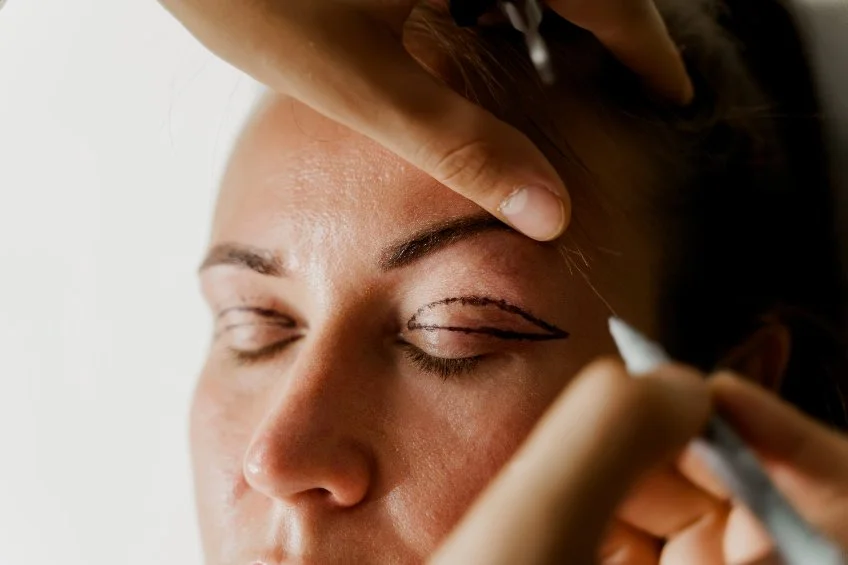
Eyelid surgery, or blepharoplasty, removes excess skin or fat from the eyelids
It's used to change the look of hooded, drooping eyelids or under-eye bags
It's a cosmetic procedure, so it's not usually available on the NHS
It's worth discussing with a GP first, in case a medical cause needs addressing
Costs in the UK typically range from £2,000 to £6,000
About Eyelid Surgery
Eyelid surgery, medically known as blepharoplasty, is cosmetic surgery to remove excess skin or fat from the eyelids, changing the appearance of hooded or drooping eyelids, or under-eye bags. Before going ahead, it's worth being clear about your reasons, and bearing in mind the cost, the risks, and the fact results can't be guaranteed.
It's a good idea to discuss your plans with a GP first, since there could be a medical condition affecting your eyelids, or a reason surgery isn't appropriate for you. Costs in the UK typically range from £2,000 to £6,000, plus consultations and any follow-up or further surgery that might be needed.
Choosing a Surgeon
In England, check the clinic or hospital is registered with the Care Quality Commission (CQC), which publishes inspection reports and ratings. Your surgeon or ophthalmologist should be registered with the General Medical Council (GMC) — check their fitness-to-practise history, and ask about how many operations they've performed where there have been complications, and what follow-up is offered if something goes wrong.
Page last reviewed: 6 March 2024 · Next review due: 6 March 2027
Eyelid Surgery · Procedure
What the Procedure Involves
? 4 min readReviewed: March 2024
The Operation
Blepharoplasty can be done under local or general anaesthetic, and your surgeon will need to know if you take any medicine that affects blood clotting, such as aspirin, warfarin, or apixaban. Upper eyelid surgery generally involves a cut along the natural eyelid crease, removing excess skin, fat or muscle, then closing the cut so the scar is hidden in the fold. Lower eyelid surgery generally involves a cut just below the lashes or inside the lower eyelid, repositioning or removing fat causing under-eye bags (sometimes with a small amount of skin), and supporting the eyelid muscles and tendon if needed.
Thin, sticky suture strips are usually applied afterwards to support the eyelids, typically removed within a week. The procedure takes around 45 minutes to two and a half hours, and most people go home the same day.
Page last reviewed: 6 March 2024 · Next review due: 6 March 2027
Eyelid Surgery · Recovery
Recovering from Eyelid Surgery
? 4 min readReviewed: March 2024
What to Expect
Most people take around 2 weeks off work, depending on their job, and can't drive for several days afterwards. Bruising and redness can take several weeks to fade, and any scarring may feel tight or remain visible for a few months. It can help to prop your head up with pillows for a couple of days to reduce swelling, gently clean your eyelids using any prescribed ointment or eyedrops, apply a cold pack (such as frozen peas wrapped in a tea towel) to ease swelling, wear sunglasses to protect your eyes, and take paracetamol or prescribed painkillers as needed. Avoid strenuous activity and swimming for a few days, smoking (since smoke can irritate the eyes), and wearing contact lenses or rubbing your eyes.
Common Side Effects
It's common to temporarily have puffy, numb eyelids that are difficult to close, irritated or watery eyes lasting a few weeks, bruising, and scars that should eventually fade to become nearly invisible.
Page last reviewed: 6 March 2024 · Next review due: 6 March 2027
Eyelid Surgery · Risks
Risks and What Can Go Wrong
? 5 min readReviewed: March 2024
Possible Complications
Eyelid surgery can occasionally result in blurred or double vision, eyes looking uneven, noticeable scarring, or changed sensation in the eyelids. Rarely, more serious problems can occur, including injury to the eye muscles, the lower eyelid drooping away from the eye (ectropion), bleeding into the eye socket, or visual impairment, though vision may improve over the longer term. As with any operation, there's also a small general risk of excessive bleeding, blood clots, infection, or an allergic reaction to the anaesthetic. Occasionally, people find the desired effect wasn't achieved and feel they need a further operation.
If Something Goes Wrong
Contact the clinic where your operation was done as soon as possible if you have severe pain or unexpected symptoms — you can also call NHS 111 or get help from NHS 111 online. If you're unhappy with your results, or think the procedure wasn't done properly, raise this with your surgeon first. You can make a complaint to the CQC about your care, or raise a concern about a doctor with the GMC if necessary.
Page last reviewed: 6 March 2024 · Next review due: 6 March 2027
Find a Local Provider
Search for hospitals and clinics offering hip replacement surgery near you.
Local Options Near You for a Eyelid Surgery (Blepharoplasty) procedure