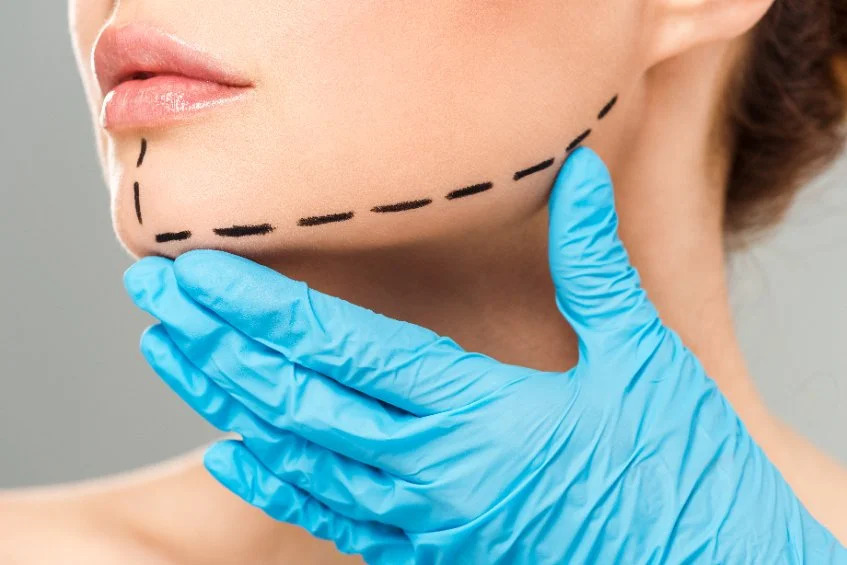
A facelift, or rhytidectomy, lifts and pulls back facial skin to look tighter and smoother
It's mainly designed to reduce loose skin around the jowls and neck
Results can't be guaranteed, and it's a significant decision to think through carefully
Costs vary widely, from a few thousand pounds for a mini facelift up to £10,000 for a face and neck lift
It's worth discussing your plans with a GP first
About Facelifts
A facelift, or rhytidectomy, is cosmetic surgery to lift and pull back the skin of the face, making it look tighter and smoother. It's mainly designed to reduce loose skin around the lower half of the face — particularly the jowls — and neck.
If you're considering a facelift, it's important to be absolutely sure about your reasons, and not to rush the decision. It can be expensive, results can't be guaranteed, and there are risks to think through. It's worth discussing your plans with a GP first. Costs in the UK vary widely, from a few thousand pounds for a mini facelift up to around £10,000 for a combined face and neck lift, plus consultations and any follow-up care needed.
Choosing a Surgeon
In England, check the clinic or hospital is registered with the Care Quality Commission (CQC), which publishes inspection reports and ratings. Your surgeon should be registered with the General Medical Council (GMC) — check their fitness-to-practise history, and ask how many of their facelifts have led to complications, and what follow-up is offered if something goes wrong.
Page last reviewed: 6 March 2024 · Next review due: 6 March 2027
Facelift · Procedure
What the Procedure Involves
? 4 min readReviewed: March 2024
The Operation
A facelift is usually carried out under general anaesthetic, though local anaesthetic with sedation is sometimes used instead. There are many variations, but generally the surgeon makes cuts above the hairline at the temples, extending down in front of the ear, under the earlobe, and behind the ear — with an additional cut under the chin if the jawline is also being lifted. Surplus facial skin is removed, the remaining skin is pulled back and upward and stitched into its new position, and facial fat and tissue may be redistributed or added. The face is then bandaged to help minimise bruising and swelling.
The procedure usually takes 2 to 3 hours, and most people stay in hospital overnight, with pain relief available for any discomfort afterwards.
Page last reviewed: 6 March 2024 · Next review due: 6 March 2027
Facelift · Recovery
Recovering from a Facelift
? 5 min readReviewed: March 2024
What to Expect
Full recovery takes around 2 to 4 weeks, and you'll need to take this time off work. Bruising is usually visible for at least 2 weeks, and it can take 6 to 9 months to see the full final effect. You won't be able to drive for several days afterwards — your surgeon can advise on timing. It's best to avoid showering or getting bandages wet for the first 2 days, and avoid strenuous activity, saunas and massages for at least 2 weeks, propping your head up with pillows for a couple of days at first to help reduce swelling.
As a general guide, stitches (unless dissolvable) are usually removed after 7 to 14 days, bruises and scarring generally fade over several weeks, and the final result becomes visible after 6 to 9 months.
Common Side Effects
It's common to have a swollen or numb face for a few weeks or months, a stiff feeling in the face and mouth that usually eases within 6 weeks, bruising lasting a few weeks, pain, low mood for a few days, scars that fade but don't fully disappear, a slightly raised hairline or sideburns, and a small, sometimes permanent reduction in hair growth at the temples.
Page last reviewed: 6 March 2024 · Next review due: 6 March 2027
Facelift · Risks
Risks and What Can Go Wrong
? 4 min readReviewed: March 2024
Possible Complications
A facelift can occasionally result in nerve injury with loss of sensation or movement in the face, asymmetrical features (including earlobe position), hair loss or a small permanent reduction in hair growth around the scars, thick or obvious scarring, or problems with wound healing. As with any operation, there's also a small general risk of excessive bleeding, blood clots, infection, or an allergic reaction to the anaesthetic. Occasionally, people find the desired effect wasn't achieved and feel they need a further operation — it's worth checking with your surgeon in advance how this would be funded if it happened.
If Something Goes Wrong
Contact the clinic where your operation took place as soon as possible if you have severe pain or unexpected symptoms — you can also call NHS 111 or get help from NHS 111 online. If you're unhappy with your results, or think the procedure wasn't carried out properly, raise this with your surgeon first. You can make a complaint to the CQC about your care, or raise a concern about a doctor with the GMC if necessary.
Page last reviewed: 6 March 2024 · Next review due: 6 March 2027