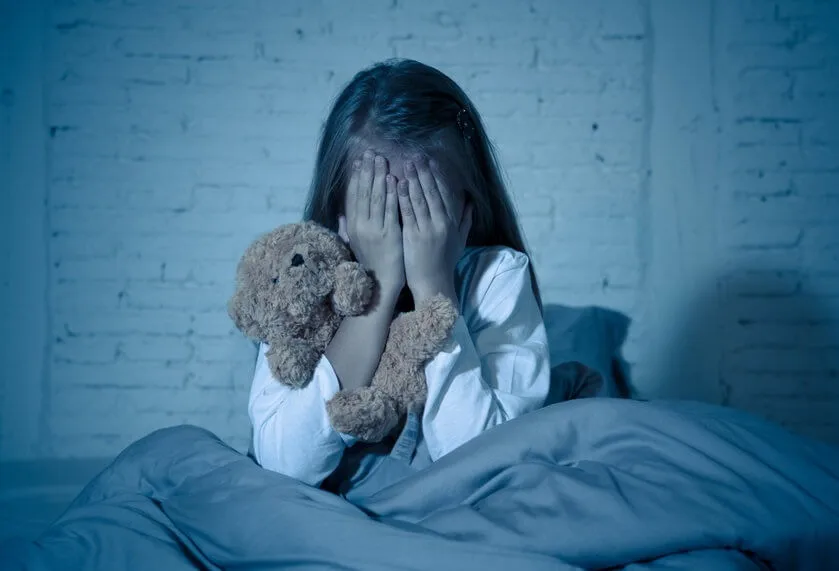
Night terrors and nightmares happen at different stages of sleep
During a night terror, a person may talk or move while still asleep, and rarely remembers it
Nightmares are bad dreams that wake you up, and are usually remembered
Night terrors mostly affect children aged 3 to 8; nightmares can affect anyone
Most children grow out of both, and adults can experience them too
Understanding the Difference
Many children experience nightmares and night terrors, and most grow out of them, though adults can have them too. The two are different, and happen at different stages of sleep. During a night terror, a person may talk, shout, thrash about, or even get out of bed while still asleep, with their eyes open but not truly awake — it's rare to remember having one afterwards. Nightmares, by contrast, are bad dreams that wake you up, and you can usually recall what happened.
Night terrors mostly affect children between ages 3 and 8, tend to happen earlier in the night (sometimes more than once), and typically last up to 15 minutes. Nightmares can affect both children and adults, tend to happen later in the night, and are marked by strong feelings of fear on waking. If you find you can't move or speak as you're waking up or falling asleep, this is a different condition called sleep paralysis, not a night terror.
Page last reviewed: 6 March 2024 · Next review due: 6 March 2027
Night Terrors · Causes
Causes and How to Help
? 5 min readReviewed: March 2024
Common Causes
Night terrors and nightmares are often triggered by being very tired or unwell, sudden noises at night or needing to pee (which can disturb deep sleep), or something frightening or stressful, such as watching a scary film. They can also be linked to certain medicines like antidepressants, sleep conditions such as restless legs syndrome or sleep apnoea, mental health conditions such as generalised anxiety disorder, conditions affecting the brain such as Parkinson's disease, or a severe injury, which can disturb sleep for 4 to 6 weeks afterwards. Night terrors are also more common in people with a family history of night terrors or sleepwalking.
Seeing a GP
See a GP if your child continues having nightmares after age 6, has frequent nightmares or ones triggered by an upsetting event, continues having night terrors after age 12, starts having night terrors after age 5, or if you're an adult having regular nightmares that are affecting your sleep and daily life.
What Can Help
For most people, night terrors and nightmares improve on their own over time. A relaxing bedtime routine can help, as can keeping a sleep diary tracking sleep duration, time to fall asleep, and how you feel the next day, to help spot possible triggers. Addressing any underlying stress or anxiety can also make a real difference.
During a night terror, it's best to stay calm and wait for the person to settle, without talking to them or trying to stop their movements unless there's a risk of harm, and without trying to wake them, since they may not recognise you and could become more distressed. If night terrors happen at roughly the same time each night, gently waking the person about 15 minutes beforehand, every night for two weeks, can sometimes help stop them.
Page last reviewed: 6 March 2024 · Next review due: 6 March 2027
Night Terrors · Treatment
Treatment Options
? 3 min readReviewed: March 2024
Addressing the Cause
Treatment for night terrors and nightmares depends on what's causing them. Cognitive behavioural therapy (CBT) can help both children and adults who have frequent nightmares, and can also help address underlying issues like anxiety or insomnia that may be contributing.
If nightmares are linked to a traumatic event, a GP may recommend psychological support such as counselling. If an underlying sleep or health condition is responsible, treatment usually focuses on managing that condition more effectively, which in turn tends to reduce the frequency of night terrors or nightmares.
Page last reviewed: 6 March 2024 · Next review due: 6 March 2027