Teeth grinding, or bruxism, is often related to stress or anxiety
It can happen while awake or asleep
There are things you can do yourself, and treatments available, to help
It can lead to jaw pain, worn or broken teeth, and headaches
It's not always clear what causes it, though several common triggers exist
About Teeth Grinding
Teeth grinding, medically known as bruxism, is often related to stress or anxiety. There are things you can do yourself, and treatments available, to help you stop grinding your teeth.
What Causes It
It isn't always clear what causes people to grind their teeth, but it's often linked to stress and anxiety — the most common cause — as well as sleep problems such as snoring or sleep apnoea, taking medicines for sleep problems, depression or anxiety, smoking, or drinking a lot of alcohol or caffeine.
Symptoms
Teeth grinding can happen while you're awake or asleep. Alongside grinding your teeth and clenching your jaw, other symptoms can include a painful jaw (which can lead to temporomandibular disorder, or TMD), worn-down or broken teeth (which can cause increased sensitivity, and loss of teeth or fillings), headaches, earache, and disturbed sleep.
When to Get Help
See a dentist if you grind your teeth and have tooth damage or sensitive teeth; you have pain in your jaw, face or ear; your partner has told you you're grinding your teeth in your sleep; or you're worried about your child grinding their teeth. See a GP if you need help with an underlying cause, such as stress, anxiety, smoking, drinking too much, or drug use.
Page last reviewed: 6 March 2024 · Next review due: 6 March 2027
Teeth Grinding · Self-Care
Things You Can Try Yourself
? 4 min readReviewed: March 2024
What Can Help
Do
Find ways to relax, such as breathing exercises, listening to music, or regular exercise
Try to improve your sleep — go to bed at the same time each night, relax beforehand, and keep your bedroom dark and quiet
Take painkillers such as paracetamol or ibuprofen for jaw pain or swelling
Use an ice pack (or bag of frozen peas) wrapped in a tea towel for 20 to 30 minutes to ease jaw pain or swelling
Have regular dental check-ups
Don't
Don't smoke
Don't drink too much alcohol or caffeine
Don't chew gum or eat hard foods if you have tooth or jaw pain
Page last reviewed: 6 March 2024 · Next review due: 6 March 2027
Teeth Grinding · Getting Treatment
Treatment from a Dentist or GP
? 4 min readReviewed: March 2024
Do You Need Treatment?
Treatment for teeth grinding isn't always needed, but there are options available if it's affecting your teeth, jaw, or sleep.
From a Dentist
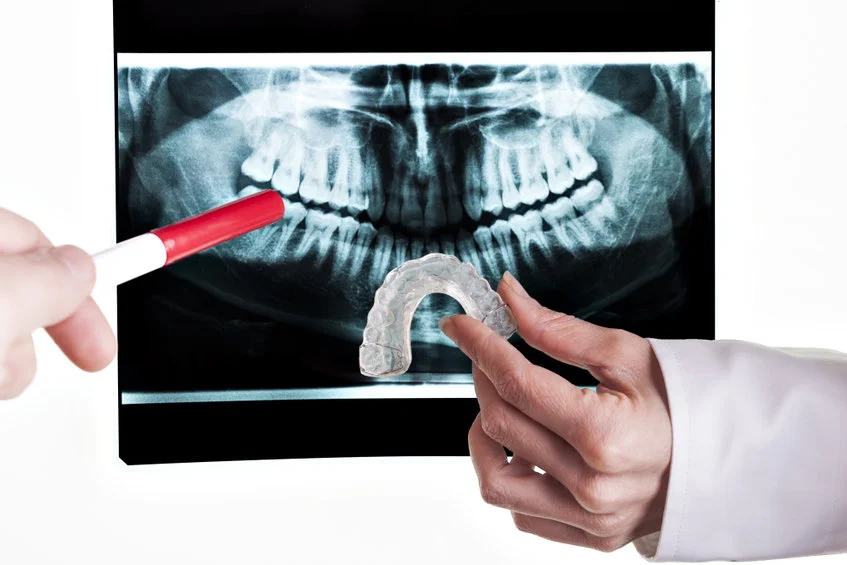
A dentist may recommend a mouth guard or mouth splint, worn at night to protect your teeth from damage. These are usually custom-made by a dentist to fit precisely over your upper or lower teeth.
From a GP
A GP can offer advice and recommend treatments to help reduce stress, and can also support you if you'd like help giving up smoking, cutting down on alcohol, or advice about drug use — all of which can contribute to teeth grinding.
Page last reviewed: 6 March 2024 · Next review due: 6 March 2027