
4th Floor 18 St Cross Street, London, EC1N 8UN 0800 1932273
Preparing & conceiving Pregnancy testing Signs & symptoms
Preparing for pregnancy health checks
Trying for a Baby · Overview

Preparing for Pregnancy and Trying to Conceive

? 5 min readReviewed: March 2024
Key Points
  • Certain health checks and lifestyle steps can help before you start trying to conceive
  • Most people aged 39 or under conceive within a year of trying regularly
  • You're most fertile around ovulation, roughly 14 days before your next period
  • See a GP if you have a health condition, take regular medicine, or have been trying for over a year
  • Support is available for LGBT+ people planning a family, and for anyone experiencing fertility difficulties

Health Checks Before You Start Trying

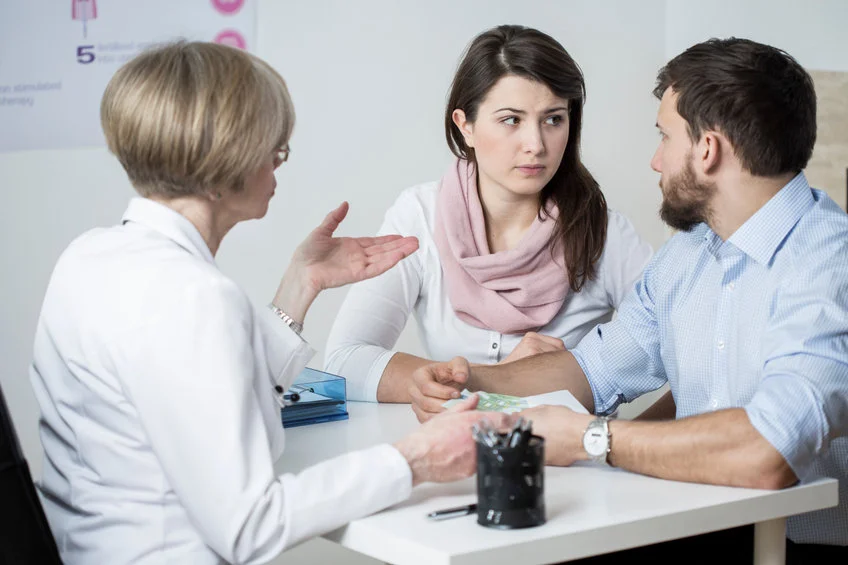
Before trying for a baby, it's worth having the MMR vaccine if you haven't already, checking whether your cervical screening is due, and getting tested for sexually transmitted infections if there's any chance you or your partner could have one. If you have any worries about pregnancy — for example, after cancer treatment or due to an existing health condition — it's worth discussing planning a pregnancy with a GP.

Preparing Your Body

Taking vitamin D and folic acid, getting support to stop smoking, avoiding alcohol and illegal drugs, eating a healthy diet, and aiming for a healthy weight can all help improve your chances of a healthy pregnancy. Being significantly overweight in pregnancy can raise the risk of complications such as high blood pressure, pre-eclampsia, gestational diabetes and blood clots, though your maternity team will support you throughout to help manage these risks. Never stop taking prescribed medicine without speaking to a GP or specialist first, since they can advise on the safest options while you're trying to conceive.

When to See a GP

Speak to a GP if you or your partner live with a condition such as epilepsy, diabetes, sickle cell disease or HIV; take prescribed, over-the-counter, or herbal medicines; have a known fertility issue such as endometriosis or low sperm count; find sex difficult, for example due to a disability; have been trying to conceive for a year or more; or need help stopping smoking, drinking, or using illegal drugs.

How Conception Works

How long it takes to conceive varies for everyone, depending on age, general health, any fertility issues, how often you have sex, and the method used (natural conception or artificial insemination). If you're 39 or under and have unprotected sex every 2 to 3 days, it's likely you'll conceive within a year; with artificial insemination, it may take 6 to 12 cycles. You're most fertile around ovulation, typically about 14 days before your next period, depending on your cycle length.

LGBT+ people planning a family can find specific guidance on the different routes to parenthood, including donor conception and surrogacy. If conceiving is taking longer than expected, a GP can arrange fertility tests for you and your partner, with treatment options such as medicine, surgery, IVF, or intrauterine insemination (IUI) available depending on the cause identified.

Page last reviewed: 6 March 2024  ·  Next review due: 6 March 2027
Pregnancy test at home procedure
Trying for a Baby · Testing

Doing a Pregnancy Test

? 5 min readReviewed: March 2024

When to Test

Most pregnancy tests are reliable from the first day of a missed period. If you're unsure when your next period is due, it's best to wait at least 21 days after unprotected sex before testing; some very sensitive tests can detect pregnancy even earlier. Urine can be tested at any time of day, not just first thing in the morning.

Getting a Test

Pregnancy tests can be bought from pharmacies and some supermarkets for a quick, private result. Free tests are also available through sexual health services, some young people's services, Brook centres (for under-25s), and sometimes through a GP.

How Tests Work

Pregnancy tests detect the hormone hCG, produced from around 6 days after fertilisation, using a stick you urinate on, with results appearing after a few minutes — always check individual product instructions, since these vary slightly. Being on the contraceptive pill or other hormonal contraception doesn't affect the accuracy of a pregnancy test, and since no method of contraception is completely effective, it's worth testing if you think you might be pregnant.

Understanding Your Result

A positive result is almost always accurate, but a negative result is less reliable, particularly if instructions weren't followed correctly, the test was taken too early, or certain medicines are being taken. If you get a negative result but still suspect you're pregnant, wait a few days and test again — if a second test is also negative but your period still hasn't arrived, it's worth speaking to a GP.

If You're Pregnant

If you're continuing with the pregnancy, it's important to notify the NHS as soon as you find out, which you can do by self-referring for pregnancy care with a midwife, and a due date calculator can help you estimate when your baby is due.

If you're unsure about continuing with the pregnancy, you can discuss this confidentially with a GP, nurse, or sexual health service — your options include continuing the pregnancy and keeping the baby, having an abortion, or continuing the pregnancy and placing the baby for adoption. From age 13, confidential advice is also available through services such as MSI Reproductive Choices, the British Pregnancy Advisory Service, or the National Unplanned Pregnancy Advisory Service, and Brook offers services specifically for people under 25.

Page last reviewed: 6 March 2024  ·  Next review due: 6 March 2027
Early pregnancy signs and symptoms
Trying for a Baby · Signs & Symptoms

Early Signs and Symptoms of Pregnancy

? 4 min readReviewed: March 2024

Common Early Signs

Every pregnancy is different, and not everyone notices every symptom. For those with a regular cycle, a missed period is usually the earliest, most reliable sign, though a light bleed or spotting — known as implantation bleeding — can sometimes occur in the first few weeks instead. Feeling or being sick, often called morning sickness despite happening at any time of day, typically starts around 4 to 6 weeks; if you're unable to keep anything down at all, see a GP, since this could indicate hyperemesis gravidarum, a more serious condition needing treatment.

Feeling tired or even exhausted is common, especially in the first 12 weeks, alongside hormonal changes that can affect mood. Breasts may become larger, tender, or tingly, with more visible veins and darker nipples, and needing to pee more often, including at night, is also common. Other possible signs include constipation and increased vaginal discharge without soreness or irritation.

Changes in Taste and Smell

Many people notice changes in taste and smell early in pregnancy — this can include a metallic taste in the mouth, new food cravings, losing interest in foods or drinks previously enjoyed (such as tea, coffee, or fatty food), losing interest in smoking, or becoming more sensitive to certain smells, such as cooking.

If you're worried about any symptoms, it's always worth talking to a GP or midwife. If you get a positive home test result, this is almost always accurate provided instructions were followed correctly, and you can self-refer for NHS pregnancy care without needing to see a GP first.

Page last reviewed: 6 March 2024  ·  Next review due: 6 March 2027