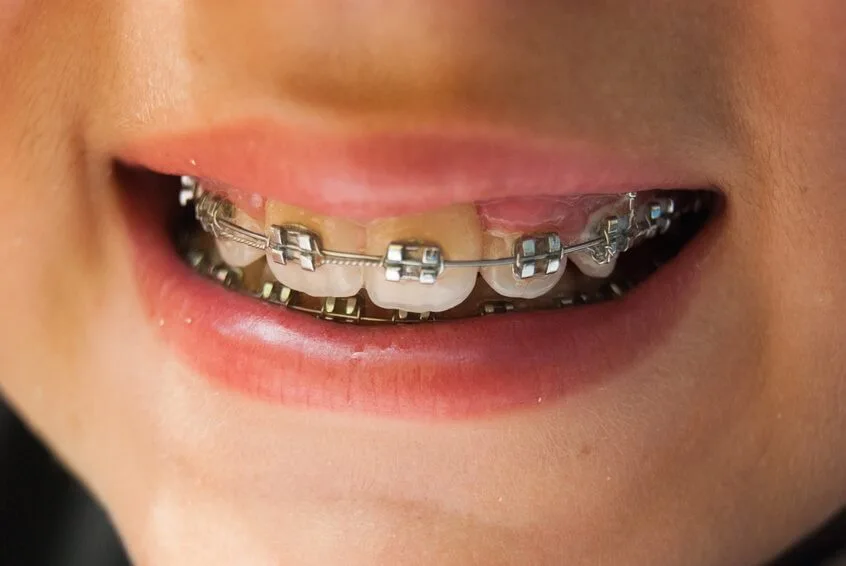
Orthodontic treatment uses braces or other devices to straighten teeth and correct their position
It can help with crowded, crooked, or badly aligned teeth and bites
Available free on the NHS for under-18s where a dentist feels it's needed
Treatment typically lasts 12 months to 2.5 years, with visits every 4 to 10 weeks
A retainer is worn afterwards to help keep teeth in their new position
About Braces and Orthodontics
Orthodontic treatment uses appliances such as braces to correct the position of teeth, helping with issues like crowding, crookedness, or a bite where the teeth don't meet correctly. It's carried out by orthodontists — dentists with additional specialist training — sometimes working alongside orthodontic therapists who help adjust braces under supervision.
Treatment generally lasts somewhere between 12 months and two and a half years, with regular visits every 4 to 10 weeks so the orthodontist can check progress and make adjustments. Good oral hygiene is essential throughout, since keeping teeth and the brace clean helps avoid decay or gum problems.
Page last reviewed: 6 March 2024 · Next review due: 6 March 2027
Braces · Eligibility
Who Can Get Braces on the NHS
? 3 min readReviewed: March 2024
NHS Eligibility
Orthodontic treatment is available free on the NHS for under-18s if a dentist feels it's needed, usually assessed using a standard scoring system that looks at both dental health and appearance. The ideal age for treatment tends to be around 12 or 13, while the jaw and mouth are still growing, though it can happen earlier or later depending on the individual.
NHS treatment for adults is uncommon, though it may be approved case by case where there's a genuine health reason. Outside of this, adults are generally directed towards private treatment options, including a wider choice of less visible brace types.
Page last reviewed: 6 March 2024 · Next review due: 6 March 2027
Braces · Options
Types of Brace
? 4 min readReviewed: March 2024
Fixed Braces
Fixed braces stay in place throughout treatment and are the standard option for NHS treatment in under-18s. They're made up of small brackets glued to the front of each tooth, linked together with wires, and are available in NHS-funded metal versions, or as less visible ceramic or clear options if paying privately.
Removable Braces and Other Appliances
Removable braces — typically plastic plates that clip onto some teeth — can help with more limited tooth movement, and are taken out for cleaning or eating. Functional appliances, usually a joined pair of removable plastic braces fitted to both the upper and lower teeth, are used to address issues with jaw position, and need to be worn as instructed to work properly. Headgear may also be used alongside other appliances, typically worn overnight.
In more complex cases, treatment may combine fixed braces with jaw surgery, carried out in hospital. Once active treatment finishes, a retainer is fitted to help hold the teeth in their new position — it's important to keep wearing this as advised, since teeth can shift back if it's stopped too soon.
Page last reviewed: 6 March 2024 · Next review due: 6 March 2027