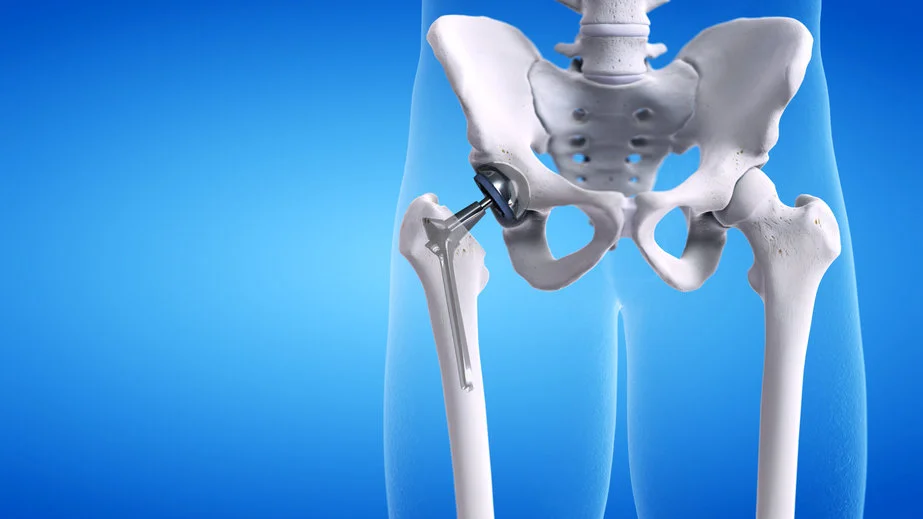
Hip replacement surgery replaces damaged parts of your hip joint with metal, plastic or ceramic parts
Most commonly used to treat pain and stiffness caused by osteoarthritis
Recommended when other treatments haven't worked and hip pain affects your daily life
The operation takes place in hospital and recovery can take several months
A hip replacement can last at least 15 years and significantly improve quality of life
About Hip Replacement Surgery
Hip replacement surgery — sometimes called total hip replacement — involves replacing damaged parts of your hip joint with artificial components made from metal, plastic or ceramic. The procedure is one of the most common and successful orthopaedic operations performed in the UK.
It is most commonly used to treat pain and stiffness in the hip joint caused by osteoarthritis, a condition that causes joints to become painful and stiff over time as cartilage breaks down and bones begin to rub against each other.
When is it Recommended?
Hip replacement may be recommended when hip pain and loss of movement is significantly affecting your daily life and other treatments or lifestyle changes have not provided sufficient relief. Your doctor will discuss all available options with you before recommending surgery.
What to Expect
The operation is carried out in hospital under either a general or spinal anaesthetic and typically takes 1 to 2 hours. Most people are able to go home within 1 to 3 days following surgery, though full recovery can take several months.
A modern hip replacement is designed to last for at least 15 years. For many people the procedure brings a significant reduction in pain and a major improvement in mobility and daily function.
Page last reviewed: 6 March 2024 · Next review due: 6 March 2027
Hip Replacement · Reasons
Why is a Hip Replacement Done?
? 5 min readReviewed: March 2024
Reasons for Having a Hip Replacement
A hip replacement may be recommended if hip pain and stiffness is having a big effect on your life and other treatments have not worked.
Osteoarthritis
The most common reason for a hip replacement is problems caused by osteoarthritis. This is a condition that causes joints to become painful and stiff. The hip usually moves smoothly because the ends of the bones are covered with a layer of tough tissue called cartilage. When cartilage wears away or is damaged, the bones rub against each other, making the joint painful and stiff.
Other Conditions
Other conditions that can also be treated with a hip replacement include:
Rheumatoid arthritis — a condition where the immune system causes joint damage, pain and stiffness
Pain and stiffness caused by damage to the hip after a fall, injury or accident
The Outcome
During a hip replacement, the damaged parts of your hip are replaced with metal, ceramic and plastic parts. Hip replacements are usually very successful and most people will have less pain and better movement following the procedure.
Page last reviewed: 6 March 2024 · Next review due: 6 March 2027
Hip Replacement · Alternatives
Alternatives to Hip Replacement
? 5 min readReviewed: March 2024
Common Alternatives to a Hip Replacement
There are other treatments you can try first before having a hip replacement. Your GP or doctor will talk to you about non-surgical treatments to help manage your hip pain and stiffness.
Treatments Tried First
These may include lifestyle changes and some types of pain relief, such as:
Weight loss to reduce the strain on your hip if you are overweight
Low-impact exercise such as swimming, walking or cycling, and muscle strengthening in the hips — a physiotherapist may advise and support you
Using walking aids
Wearing special footwear or insoles for your shoes
Pain relief medicines, gels or creams
Hydrocortisone (steroid) injections — an injection into the hip joint to help with pain and swelling
If you have tried these approaches and they have not helped, your doctor may discuss having a hip replacement with you.
Page last reviewed: 6 March 2024 · Next review due: 6 March 2027
Hip Replacement · Preparation
Preparing for a Hip Replacement
? 8 min readReviewed: March 2024
How to Prepare
Before your hip replacement, your doctor will talk to you about the things you can do to prepare. This might include advice on muscle strengthening exercises, losing weight if needed, stopping smoking, and following a healthy diet while sticking to recommended weekly alcohol limits.
It's important to do these things while you wait, as waiting lists can be long. These steps may lower your risk of complications and speed your recovery.
Pre-Admission Clinic
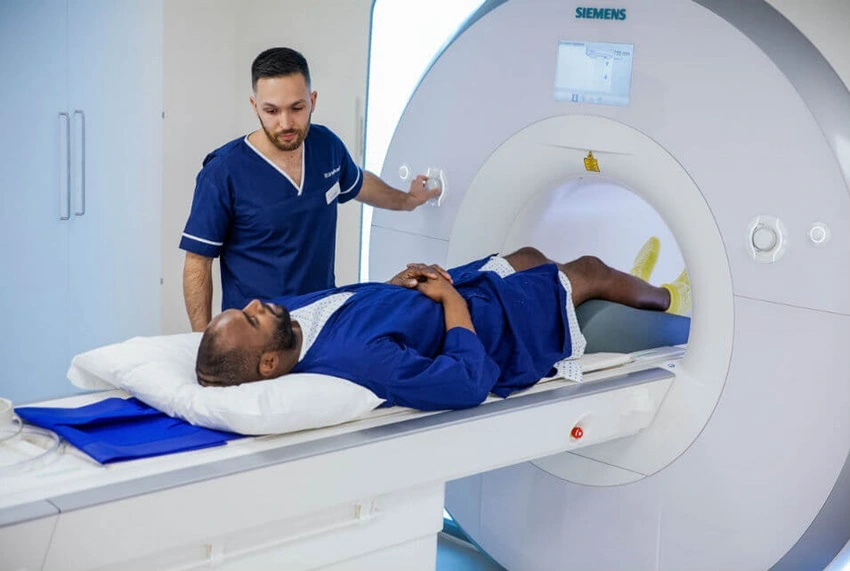
You will probably be asked to attend a pre-admission clinic a few weeks before the operation to make sure you are well enough for surgery. This may include:
Blood tests
X-rays
A urine test to check for infections
An electrocardiogram (ECG) to check your heart health
You may also meet the care team so you can learn more about the operation and ask any questions you may have.
Preparing Your Home
It is a good idea to prepare for when you get home after your operation. You might want to think about:
Asking for help with day-to-day activities
Making sure things you use often are easy to reach
Stocking your freezer with cooked meals
Arranging transport — you'll be unable to drive for at least 6 weeks
Speaking to your employer and making a plan for returning to work
Borrowing, hiring or buying helpful equipment such as a raised toilet seat or a grabber tool
Page last reviewed: 6 March 2024 · Next review due: 6 March 2027
Hip Replacement · Procedure
How a Hip Replacement is Done
? 10 min readReviewed: March 2024
What Happens During Surgery
If you are having a hip replacement, you will usually go into hospital on the day of the operation. You will either have a local anaesthetic in your spine (you are awake but will have no feeling from the waist down), or a general anaesthetic (you are asleep during the operation). The operation usually takes about 1 to 2 hours.
Total Hip Replacement
A total hip replacement is the most common type. The "ball" of the hip joint (the top end of the thigh bone) and the "socket" (the connected section of hip in your pelvis) are both replaced with metal, ceramic or plastic parts.
The main steps are:
The surgeon makes a cut in the back or side of your hip
The damaged hip joint is taken apart
The top end of the thigh bone (ball joint) is cut off and removed
A new metal or ceramic ball is fitted to the end of the thigh bone
The hip socket is drilled out and a new plastic or ceramic socket is fitted
The new hip is put back together
The cut is closed using stitches or clips and covered with a dressing
You are taken to a recovery room to fully recover from the anaesthetic
Partial Hip Replacement
A partial hip replacement involves only removing the "ball" of the joint, leaving the socket in place. This usually has a faster recovery time but does not last as long. It may be offered if you are in poor health, are frail, or have had a serious hip injury.
Hip Resurfacing
Hip resurfacing involves removing the surface of the ball joint and placing a metal cover over it, rather than removing the whole joint. It does not work well for people with weaker bones and may be offered to those aged around 50 or younger.
Page last reviewed: 6 March 2024 · Next review due: 6 March 2027
Hip Replacement · Recovery
Recovering from a Hip Replacement
? 10 min readReviewed: March 2024
Recovery in Hospital
After surgery you will spend some time in a recovery room and will be given medicines to help with the pain. Nurses and physiotherapists will help you start walking as soon as possible so you can go home quickly. You will need crutches or a walking frame at first.
Recovery at Home
If you are generally fit and surgery went well, you can usually go home around 1 to 3 days after the operation. A physiotherapist or occupational therapist will advise you on daily activities and home exercise programmes before you leave. Full recovery may take several months.
? Do
Walk regularly every day as far as is comfortable
Follow the exercises your physiotherapist recommended
Wait at least 6 weeks before driving
Sit in a reclining position when possible
Return to work when you feel ready (usually ~6 weeks)
? Don't
Sit with your legs crossed
Bend your hip more than 90 degrees
Bend down to touch your feet or ankles
Sit on low chairs, toilets or chairs without arms
Do high-impact exercise or activities with fall risk
Page last reviewed: 6 March 2024 · Next review due: 6 March 2027
Hip Replacement · Risks
Complications of a Hip Replacement
? 10 min readReviewed: March 2024
Possible Complications
A hip replacement is a common and safe procedure. However, as with any surgery there are risks. Your doctor will explain these to you before you consent to the operation.
Blood Clots / DVT
Blood clots or DVT (deep vein thrombosis) are possible after a hip replacement due to changes in blood flow during surgery. Compression stockings are usually given to reduce this risk. In rare cases a clot can travel to the lungs (pulmonary embolism), which is a serious emergency.
Wound Infection
There is a small chance of wound infection after surgery, usually treated with antibiotics. If infection spreads into the joint, further surgery may be needed.
Leg Length Difference
Surgery can sometimes result in the replaced leg being slightly longer. Surgeons work to avoid this, and the difference is often so small it isn't noticed. A raised heel on the other shoe can help if needed.
Hip Dislocation and Wear
The replacement hip can occasionally dislocate, causing pain or swelling. Modern replacements are designed to last at least 15 years, but can wear over time. If the joint dislocates or wears out, further surgery may be required.
Metal-on-Metal Implants
If you have an older metal-on-metal hip implant, you should have regular check-ups. Contact your GP if you notice new hip pain, reduced mobility, or popping or clicking sounds from the joint.
?? Urgent — Ask for an urgent GP appointment or call 111 if:
You've recently had a hip replacement and have:
Throbbing or cramping pain in your hip or leg
A high temperature, or you feel hot, cold or shivery
Oozing or pus from your wound
Redness, tenderness, swelling or pain that is not improving
These could be signs of infection or a blood clot.
?? Emergency — Call 999 or go to A&E if:
You have pain and swelling in your hip or leg and you are having difficulty breathing or have chest pains. This could be a pulmonary embolism and needs immediate treatment.
Page last reviewed: 6 March 2024 · Next review due: 6 March 2027
Hospital Consultants that specialise in Trauma and orthopaedic surgery
Local Providers :
Ajay Malviya
Nuffield Health, Newcastle-upon-Tyne Hospital, Newcastle Upon Tyne